“Does not run” is not a complete loading description
Please distinguish a flat battery from a vehicle with locked wheels, broken suspension or collision damage. Tell us whether the car can roll, steer and brake, whether the keys are available and whether parts are loose or protruding. Photos should show the car and the space around it.
Choose equipment for the actual condition
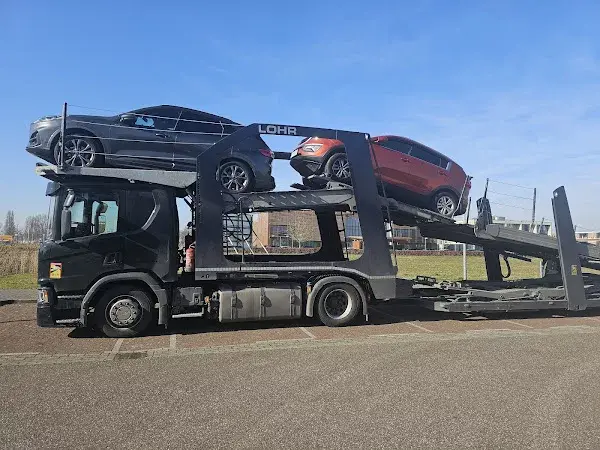
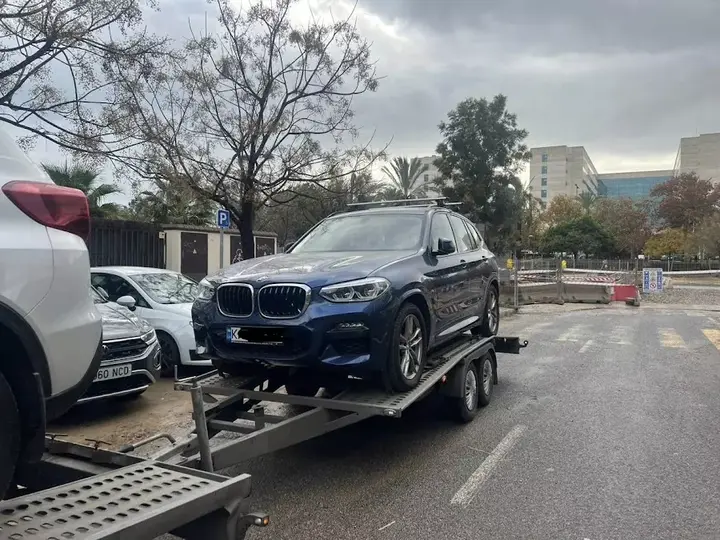
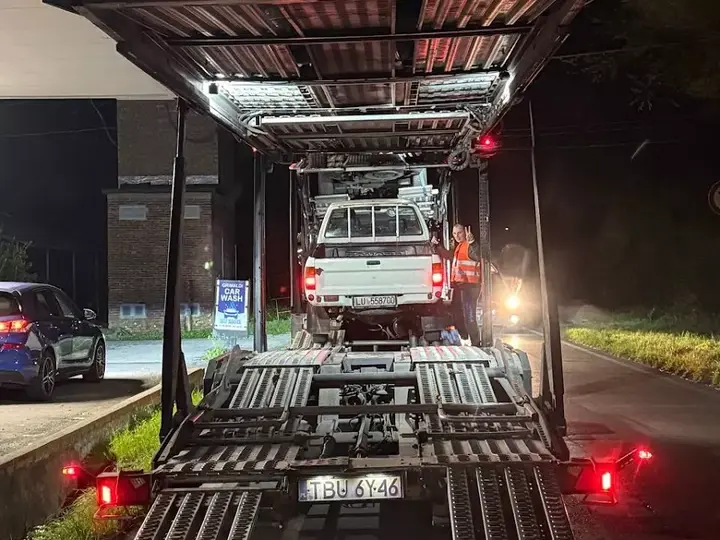
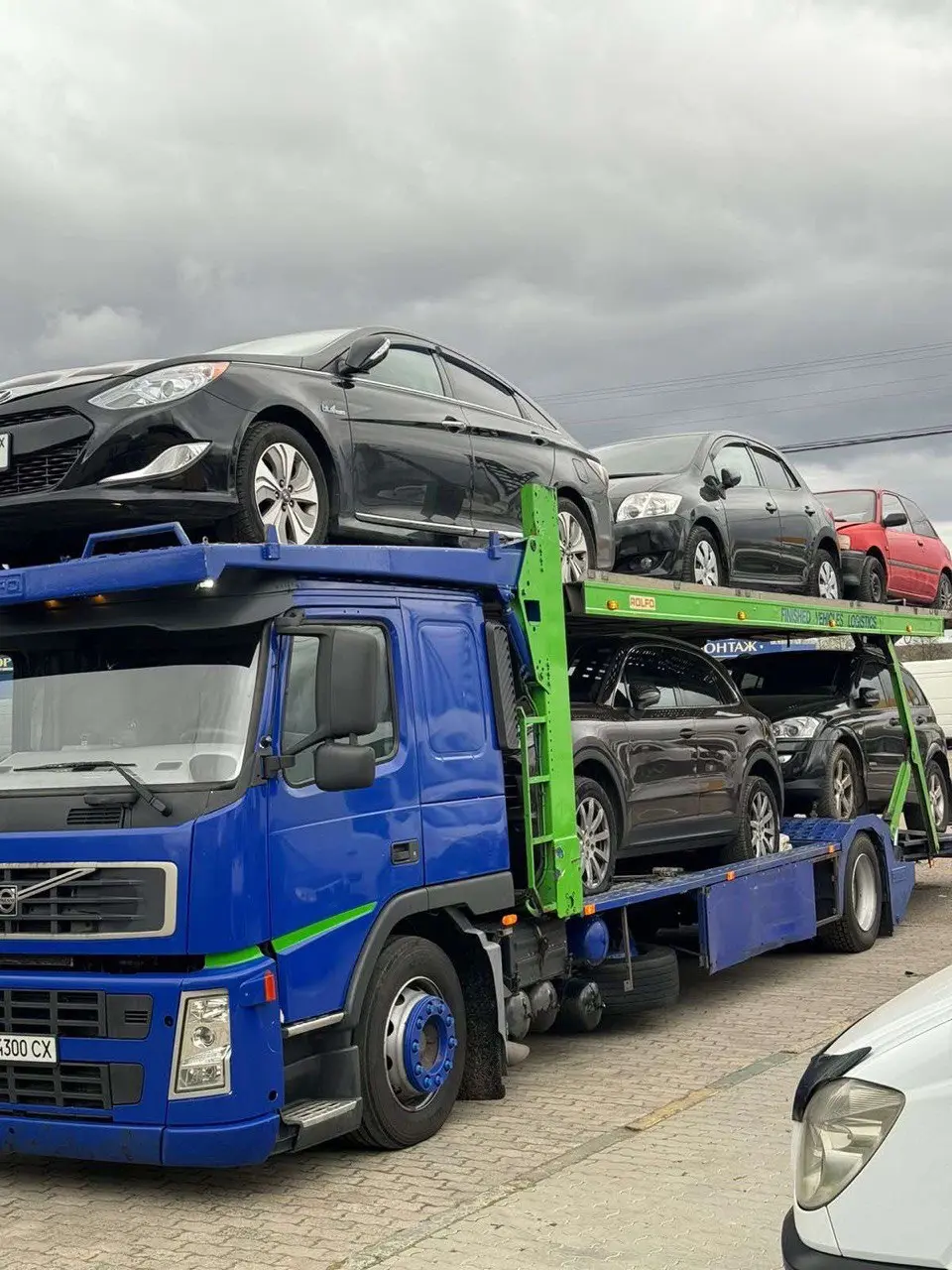
A car transporter, flatbed trailer or recovery truck may suit different vehicles and collection points. Do not assume standard loading is possible just because another car of the same model was transported before. The coordinator needs to confirm a suitable method at both ends of the journey.
If the car is underground, on a narrow driveway, on a soft surface or in another restricted location, mention it before asking for a final price. Access to the loading equipment can be as important as the vehicle itself.
Cross-border delivery
Open a published international direction in the route catalogue. Explain whether the destination is a repairer, a private address or a base handover. A receiving repairer must be prepared for a non-running car; unloading cannot rely on the vehicle driving off by itself.
How the quote changes
The quote takes account of the route, vehicle, condition and agreed loading arrangements. A starting per-kilometre rate does not include every possible recovery task. Any special equipment, additional handling or waiting conditions should be confirmed before booking.
Not the same as an emergency response
For a car that has just broken down locally, use vehicle recovery. For an arranged cross-border move, use this page. The distinction helps avoid treating an international transport request as an immediate roadside dispatch.
Read transporting a car with locked wheels before you send the vehicle details.